
If you ask five different people where to meet decision-makers in entertainment, you will usually get five vague, unhelpful answers. Many writers, directors, and producers spend years floating around generic mixers or firing blind queries into the digital void, hoping the right person accidentally stumbles across their work. The truth is that Hollywood operates on proximity, trust, and curated access. Insiders do not hide away in secret fortresses, but they do congregate in specific environments where they feel comfortable doing business.
Knowing the best places to network with Hollywood insiders is only the first step; understanding how to behave once you are in the room is what actually changes your career trajectory. Executives, agents, and established producers have finely tuned radar for desperation. When you know where to show up and bring a clear, professional identity with you, an organic conversation can quickly turn into a meeting on the calendar.
1. Major Film Festivals and Industry Market Hubs
While casual moviegoers attend festivals for the screenings, true insiders are there for the business happening on the perimeter. Premier events like Sundance, South by Southwest (SXSW), the Toronto International Film Festival (TIFF), and the American Film Market (AFM) are among the most concentrated environments for producers, buyers, literary agents, and development executives.
To make these gatherings work for you, shift your focus away from the red carpet and toward official panels, lounge hubs, and sponsor lounges. Even standing in line for a mid-tier premiere or sitting at a coffee shop near an official festival headquarters puts you shoulder-to-shoulder with working professionals. The key is to engage as a peer rather than a fan; you are there because you are actively developing projects and tracking the market.
- Prioritize festival networking passes or industry badges that grant access to lounges and private panels.
- Attend daytime panels on packaging, financing, and distribution where working executives speak.
- Engage people in waiting lines with light, open-ended questions about what they have seen or what projects brought them to the festival.
2. Guild Screenings, Academy Q&As, and Film Nonprofits
Organizations like Film Independent, the American Cinematheque, BAFTA, and the creative guilds (WGA, DGA, PGA) host ongoing screenings and panel discussions year-round in Los Angeles, New York, and select major hubs. These gatherings bring together working artists, department heads, and development staff who are actively interested in the craft.
During awards season (autumn through early winter), these screenings multiply dramatically. When a writer or director finishes a post-screening Q&A, audience members often linger in the lobby to discuss the work. Rather than trying to swarm the guest of honor, strike up conversations with the people standing near you in the lobby. Often, your fellow audience members are managers, junior agents, or development executives assessing the talent on stage.
- Join organizations like Film Independent or local cinematheques to access member-only screenings.
- Pay close attention to who is moderating panels; moderators are often influential journalists, executives, or fellow producers.
- Stick around during the post-event reception or lobby spillover; that is where authentic peer conversations happen.
3. Development Labs, Masterclasses, and Incubators
High-caliber labs and incubators—such as those hosted by Sundance Institute, Film Independent, or notable university alumni associations—provide direct, vetted access to decision-makers. Insiders frequently serve as mentors, guest speakers, and advisors at these events because they are specifically looking to discover emerging voices without the friction of cold submissions.
Even if you are not selected as a lab fellow, many of these organizations offer public workshops, symposiums, and networking happy hours. The people in these rooms are serious about their careers. Networking horizontally with fellow rising writers and independent producers often yields bigger dividends down the line than chasing high-level executives, as today's lab colleague is frequently tomorrow's staff writer or packaging partner.
- Focus on horizontal networking; building ties with peers can lead to introductions to their representatives later.
- Target programs that feature working agents and packaging producers on their advisory rosters.
- Follow up with guest speakers by referencing a specific, insightful point they made during their presentation.

“Marc Pariser was my very first television agent, got me my first job, and guided my career in the important early stages. When he sniffs the air and says ‘I smell money’, you know he’s bringing you a great opportunity!”
4. Industry-Adjacent Hangouts and Curated Spaces
In cities like Los Angeles and New York, certain venues act as the de facto living rooms of the entertainment industry. Private members' clubs like Soho House, hotel lobbies near major agency corridors in Beverly Hills and Century City (such as the Sunset Tower or the Peninsula), and high-end independent coffee shops near major studio lots are regular stops for general meetings and creative breakfasts.
However, treat these spaces with utmost discretion. You must never walk up to an executive's table and hand them an iPad or a script deck. Instead, use these spaces to observe the rhythm of the industry, meet contacts for pre-arranged coffee meetings, or strike up natural, unforced conversations at the bar or communal tables. If you look and act like someone who belongs in the room, people will naturally treat you as such.
- Maintain absolute respect for privacy; never interrupt a working pitch or meeting in progress.
- Use these venues as polished settings when scheduling your own introductory coffee meetings.
- Keep your focus on casual rapport; let business come up naturally when they ask what you are working on.
5. The Approach: Making the First 15 Seconds Count
Being in the best places to network with Hollywood insiders means very little if you freeze or ramble when an executive turns to you and asks, 'So, what do you do?' The most common networking mistake is treating every conversation like an aggressive sales pitch. Decision-makers hear pitches all day; when they are out networking, they want to connect with compelling, self-aware professionals.
You need a sharp, concise way to introduce yourself and your projects in the opening moments of an interaction. A strong 15-second hook communicates your genre, your unique voice, and the core engine of your project without overwhelming the listener with plot points. When you can describe your work with total clarity in two sentences, you give the insider permission to lean in, ask questions, and invite you to follow up.
- Ditch the 10-minute plot breakdown; focus on the central premise, stakes, and emotional hook.
- State your lane clearly (e.g., 'I write grounded sci-fi thrillers' or 'I direct female-led dark comedies').
- Always leave room for dialogue rather than delivering a monologue.
Key Takeaways
- Prioritize festival market areas, guild screenings, and curated workshops over generic mixer events.
- Build horizontal relationships with rising peers, who often become your best champions and connection points.
- Respect an insider's boundaries in casual spaces; genuine conversation always beats an unsolicited pitch.
- Master your 15-second introductory hook so you can articulate your project and voice clearly when asked.
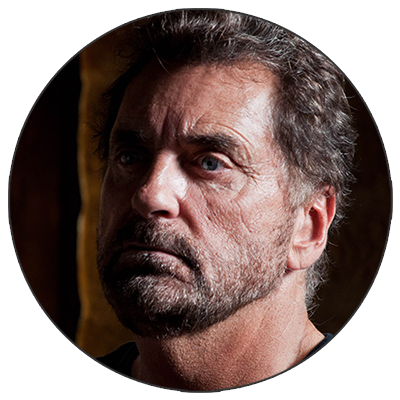
“Marc Pariser is the best agent I ever had. If there is anybody in this town who can help you navigate the twists and turns of a career, Marc is your man. He is caring, smart, honest, knowledgeable, charming, personable, and he knows the town inside and out.”
Frequently Asked Questions
Is it inappropriate to pitch an insider at a social event or festival lounge?
It is inappropriate to launch into an unprompted, long-winded pitch while someone is relaxing. However, if an insider asks what you are working on, you should be ready with a tight, 15-second summary that sparks curiosity without dominating the conversation.
Do I need to live in Los Angeles to network with Hollywood insiders effectively?
While Los Angeles remains the epicenter of development, you can make significant industry connections at regional festivals, through guild-sponsored digital events, or during targeted trips to industry hubs like Sundance, TIFF, or SXSW.
What is the best way to follow up with an insider after meeting them in person?
Send a brief email within 24 to 48 hours referencing a specific detail from your conversation. Thank them for their time, keep the note under four sentences, and only send materials if they explicitly invited you to do so.





