
Stepping into a room packed with filmmakers, screenwriters, producers, and executives in Southern California can feel equal parts electrifying and paralyzing. On any given night, mixers, guild screenings, festival parties, and panel discussions take place from Santa Monica to Downtown. Yet simply showing up to networking events in Los Angeles film circles is rarely enough to move the needle on your career. The real work begins after you walk through the door: knowing whom to speak with, how to present your creative voice, and how to leave an impression without overstepping.
Across more than three decades working inside the entertainment industry—first as a literary and packaging agent at WMA and CAA, and now as an artists' manager and producer—I have observed countless gifted artists exhaust themselves on the social circuit. They trade dozens of business cards, recite lengthy plot synopses to anyone within earshot, and go home wondering why none of those encounters ever turn into actual meetings. Shifting from aimless socializing to strategic networking requires understanding how access actually functions in this town.
Understanding the Types of LA Film Gatherings
Not all gatherings serve the same career objective, and treating every event like an open marketplace is a recipe for frustration. Networking events in Los Angeles film communities typically fall into distinct categories: public open-mic mixers, curated guild or alumni events, film festival screenings, and specialized panel receptions. Each room carries its own unwritten etiquette and demographic balance.
Open mixers often draw hundreds of aspiring artists all searching for representation or funding at the exact same moment. While these can be valuable for meeting peers, peer-level cinematographers, or fellow writers, they are seldom the rooms where seasoned decision-makers spend their evenings. Conversely, industry screenings followed by Q&As, targeted workshop mixers, and specialized guild programs tend to attract working professionals who are actively building slates and hiring talent. Before you RSVP, ask yourself who is likely to attend and whether that room genuinely aligns with your current career stage.
- Guild screenings and industry Q&As: Ideal for observing how working talent discusses their craft and for meeting active department heads.
- Film festival showcases: Excellent environments for connecting with independent producers and fellow directors who have completed work.
- Alumni and professional organization mixers: High-trust settings where shared institutional background lowers traditional barriers to conversation.
The 15-Second Rule: Introducing Yourself and Your Work
The fastest way to lose someone's attention in a crowded, noisy lounge is to launch into a five-minute narrative recap of your three-act structure. In professional settings, time is at an absolute premium. When someone asks, 'What are you working on?' they are not asking for the full treatment; they are testing whether you possess clarity, executive presence, and a clean hook.
In my book, 'The Secret to Opening Doors in Hollywood: Mastering the 15-Second Pitch,' I focus extensively on how you introduce a project in the first seconds of an encounter. Decades of setting meetings and packaging projects taught me that access is won or lost almost immediately. If you can distill your central concept into an undeniable, high-concept sentence that highlights the emotional core and clear commercial or artistic lane, the listener will naturally ask the follow-up question. Your goal in the room is never to close the deal right there; it is simply to spark enough genuine curiosity to earn a follow-up conversation.
Three Common Mistakes Creatives Make in the Room
Even seasoned creators occasionally stumble when navigating live networking spaces. Avoiding a handful of classic pitfalls will immediately separate you from the crowd of eager hopefuls.
First, never treat an initial conversation as a transactional transaction. If your opening remark feels like an ambush or a desperate plea to read your script, the other party will instantly put up their defenses. Second, avoid dominating the dialogue. Listening is the single most undervalued skill at an industry event; asking thoughtful questions about what a producer is currently searching for tells you far more than talking endlessly about yourself. Third, do not force physical or digital materials onto people without permission. Passing out printed treatments or unsolicited links creates immediate friction.
- The Hard Sell: Pushing scripts or reels on people who just want a relaxed conversation.
- The Monologue: Forgetting to ask about the other person's background, current slate, or perspective on the market.
- The Script Dump: Thrusting materials into hands rather than securing permission to follow up via email.

“Marc Pariser was my very first television agent, got me my first job, and guided my career in the important early stages. When he sniffs the air and says ‘I smell money’, you know he’s bringing you a great opportunity!”
Turning a Brief Handshake Into a Professional Follow-Up
The gathering itself is merely the prelude; your follow-up determines whether you built a genuine contact or merely had a pleasant chat. A strong interaction usually concludes with a low-pressure exchange of contact info—typically a quick note on a phone or an exchange of email addresses.
Reach out within twenty-four to forty-eight hours with a brief, professional note. Reference a specific, memorable detail from your conversation so they recall who you are. If you discussed a project and they expressed interest, send a crisp logline and ask if you may share the script or sample. Keep the communication polite, focused, and free of hype. If they take time to respond or decline, thank them graciously and keep moving forward.
Building a Sustainable, Long-Term Event Strategy
Attending every mixer across Los Angeles every week will leave you burned out and away from the one thing that matters most: your creative work. A sustainable strategy means selecting two or three targeted, high-value gatherings each month and committing to them consistently over time.
Relationships in entertainment compound slowly. When decision-makers see you consistently in professional spaces over months and years—always composed, always knowledgeable, and always working on compelling material—you cease being a stranger pitching from the outside. You become a familiar, trusted colleague within the ecosystem.
Key Takeaways
- Select targeted screenings and curated industry events rather than generic, open-enrollment mixers.
- Master a clear, 15-second opening hook that sparks curiosity instead of reciting long plot summaries.
- Listen actively to understand what producers and executives are seeking before discussing your own slate.
- Execute a disciplined, low-friction follow-up within 48 hours referencing specific conversation points.
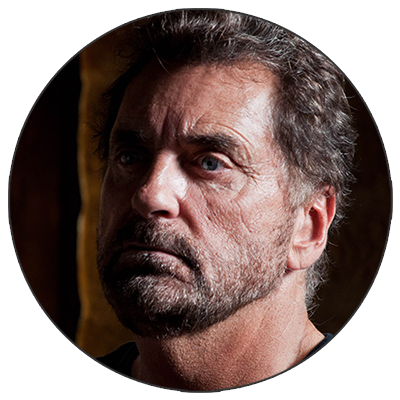
“Marc Pariser is the best agent I ever had. If there is anybody in this town who can help you navigate the twists and turns of a career, Marc is your man. He is caring, smart, honest, knowledgeable, charming, personable, and he knows the town inside and out.”
Frequently Asked Questions
How many networking events should I attend each month in Los Angeles?
Aim for quality over raw volume. Attending two or three well-chosen screenings, guild panels, or industry gatherings per month allows you to balance relationship-building with the dedicated desk time required to create excellent material.
Should I bring physical copies of my script or one-sheet to film events?
No. Decision-makers rarely want to carry physical screenplays home from an evening event. Instead, focus on exchanging contact details and securing permission to email your logline or sample the following business day.
What do I say when an executive asks what my screenplay is about?
Deliver a concise, 15-second hook that states the protagonist, the central dilemma, and the unique tone or commercial hook. Keep it brief enough that they are prompted to ask you the next question.





